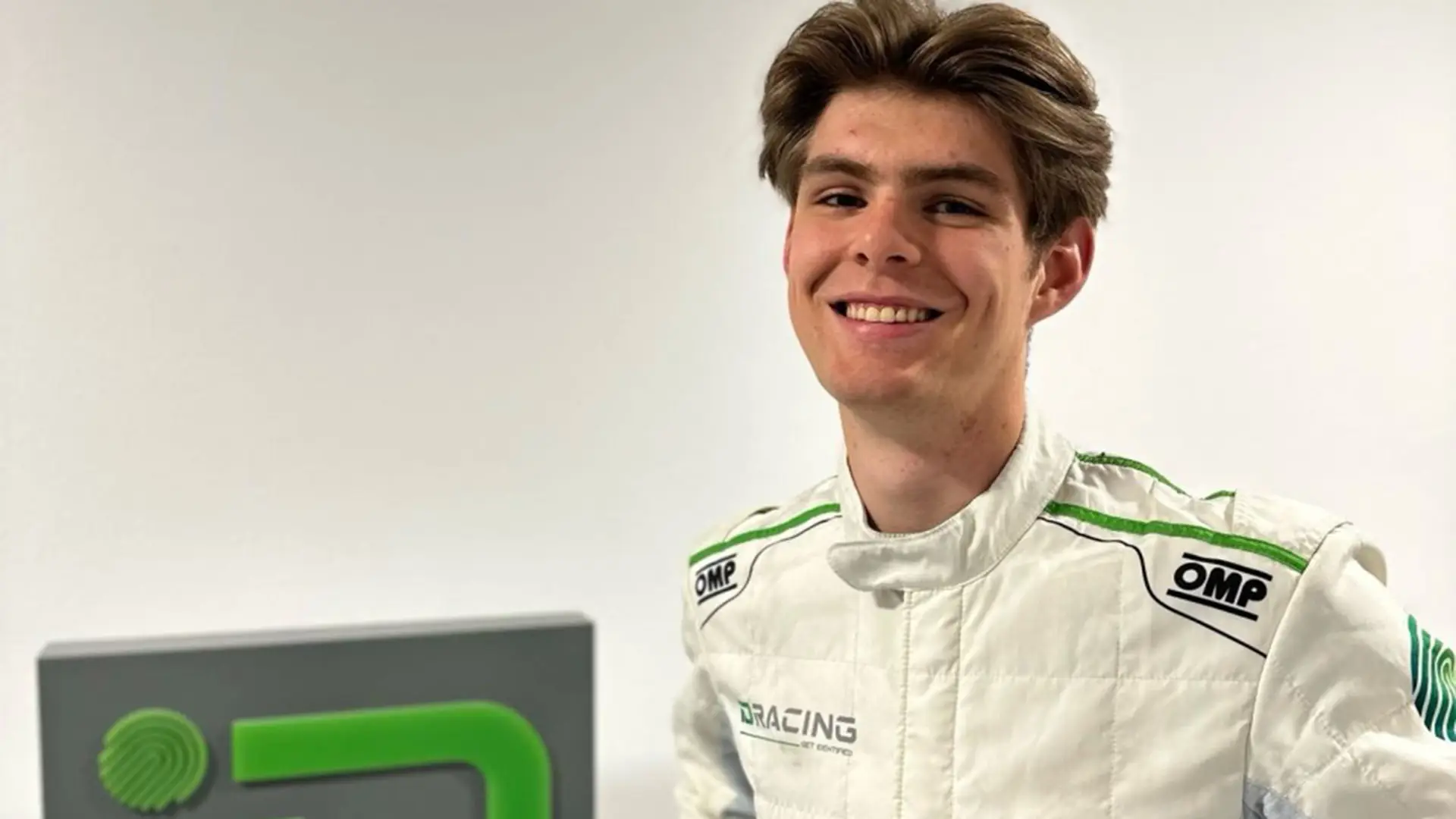
Young German racing driver Theo Wieder was guest of the latest World eX Bizz Talk ahead of the Nordschleife event, sharing his path from virtual racing rigs to real-world electric motorsport and his sustainable approach.
Wieder’s journey did not begin in traditional karting paddocks but on a racing simulator. Recalling his early determination, he said, “I started practising in sim racing, and like saving a lot of money just to get a track day in a Formula car.”
When he first approached karting teams as a teen, the cost was prohibitive: “One of them replied and told me that I should bring 30,000 Euros before even testing. And then I was, like, a little bit grounded, maybe, but the dream stayed.” Rather than giving up, he doubled down. The sim rig became his proving ground, not only for sharpening skills but for opening doors to real racing opportunities.
Wieder primarily used Assetto Corsa to practice cars similar to those he would eventually race, such as Formula 4 or Formula Renault models. Applying sim racing lessons to on-track performance impressed engineers: “Some people thought that my data on the brakes were quite good, actually, on the same level as their drivers. And so I got promoted and today I’m still using the simulator to learn new race tracks.”
Wieder’s story perfectly illustrates how sim racing isn’t just an affordable entry point. It’s an increasingly credible avenue to a professional career – a core mission of World eX promoter Racing For The Climate e.V.
This real-to-virtual connection paid off when, after proving himself through online exposure and networking, Wieder scored a last-minute invite to race in the Czech Republic’s Formula Campus even without significant funding. A chance sponsor helped finance that break. He soon found himself on the podium in his very first Formula Renault event in Slovakia, further testament to his simulator-honed racecraft.
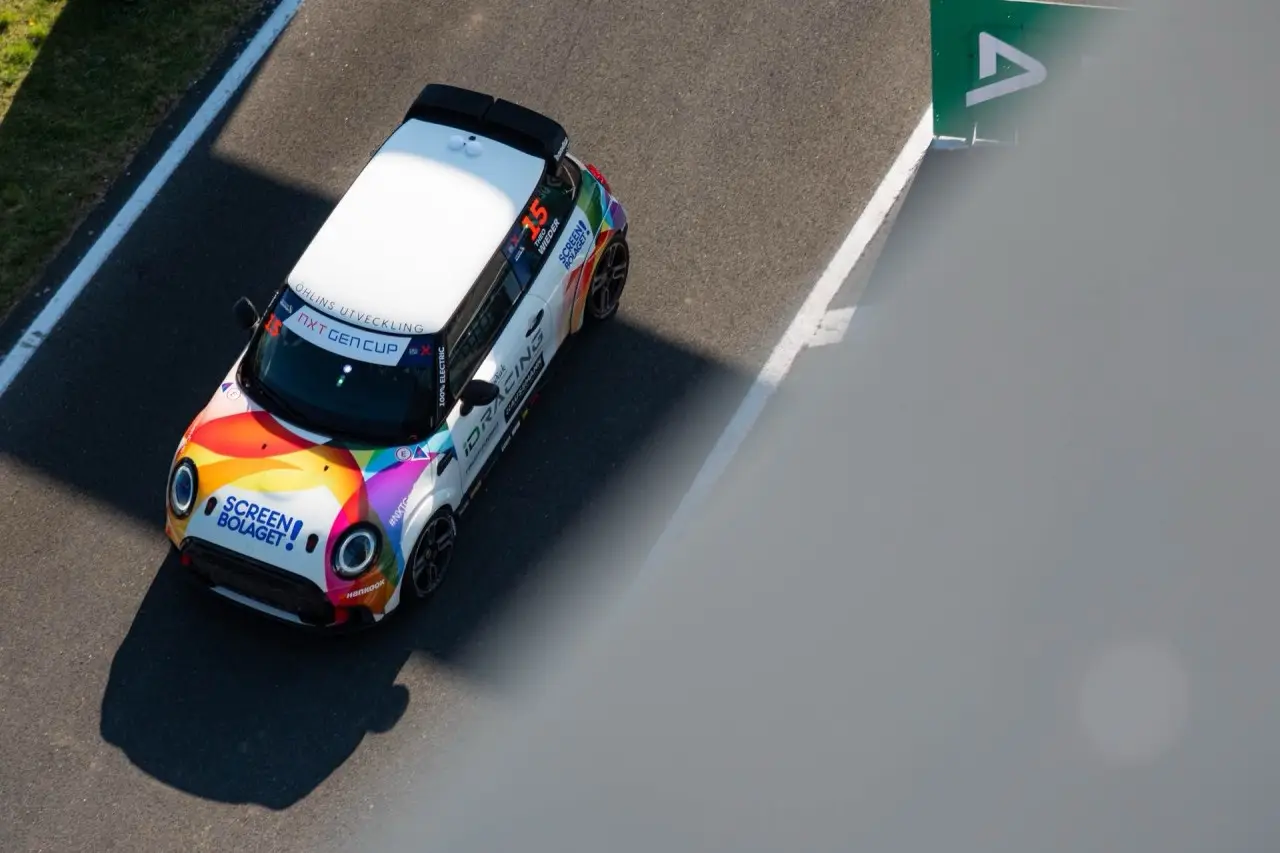
Today, the 21-year-old races in the NXTGen Cup, the world’s first fully electric junior touring car championship which has become a regular part of the popular DTM platform. The series fits his values: “I’m proud to be part of such an innovative and competitive series that represents the future of racing.”
The championship, run as an “arrive-and-drive” format with electric MINIs, keeps budgets manageable while ensuring all competitors have equal machinery – a rare development path in racing’s ultra-competitive world.
Wieder is currently part of iD Racing, a team defined by its progressive and sustainable mindset. Led by Iris Dorr, who brings more than 30 years of motorsport experience, iD Racing stands out for its strong commitment to reducing motorsport’s environmental impact. The team has made sustainability a core pillar with its “Road to Get Green” program, focusing not only on minimizing the team’s carbon footprint but also on fostering inclusive participation and forming lasting, meaningful partnerships.
Wieder’s green ethos has helped attract sustainability-focused partners – one of them, fittingly, is developing a fully electric tractor. Still, he’s candid about the challenges of financing and convincing sponsors, pointing out that the economic climate and genuine interest remain hurdles.
His future ambitions align seamlessly with Racing For The Climate’s vision: become a factory driver, develop new electric or e-fuels cars, and remain a role model for sustainability in motorsport. “My dream for the future is definitely to become like a factory driver, developing cars, developing race cars. That’s why I started studying automotive engineering.”